Blog

Replacing or modernizing the elevator: what is the smartest choice?

In many buildings, there comes a time sooner or later when the elevator system needs attention. Malfunctions increase, parts become harder to obtain, or energy consumption is higher than desired. Then the same question often arises: should the elevator be completely replaced, or is modernization sufficient? Although replacement sometimes seems the most logical step, in practice this is not always necessary. In many situations, elevator modernization can be an efficient and sustainable solution. By selectively renewing parts, the system continues to function reliably without the need to replace the entire elevator system.

When is elevator modernization a good choice?

Modernization is often a good option when the basics of the elevator installation, such as the guides, cabin frame, and construction, are still in good condition but the surrounding technology is becoming outdated. This frequently occurs with elevators that have been in use for a long time but whose main structural components still function reliably. By renewing the technical components, the elevator can better meet current requirements in terms of safety, comfort, and energy consumption. In practice, there are several clear signs that modernization may be worthwhile:

  • The elevator installation is approximately 20 to 25 years old
  • Malfunctions occur more frequently than before
  • Parts or components are difficult to obtain due to outdated technology
  • Energy consumption is relatively high compared to modern installations

When one or more of these signs occur, targeted modernization can ensure that the elevator continues to operate reliably and efficiently for many years.
What is being modernized?

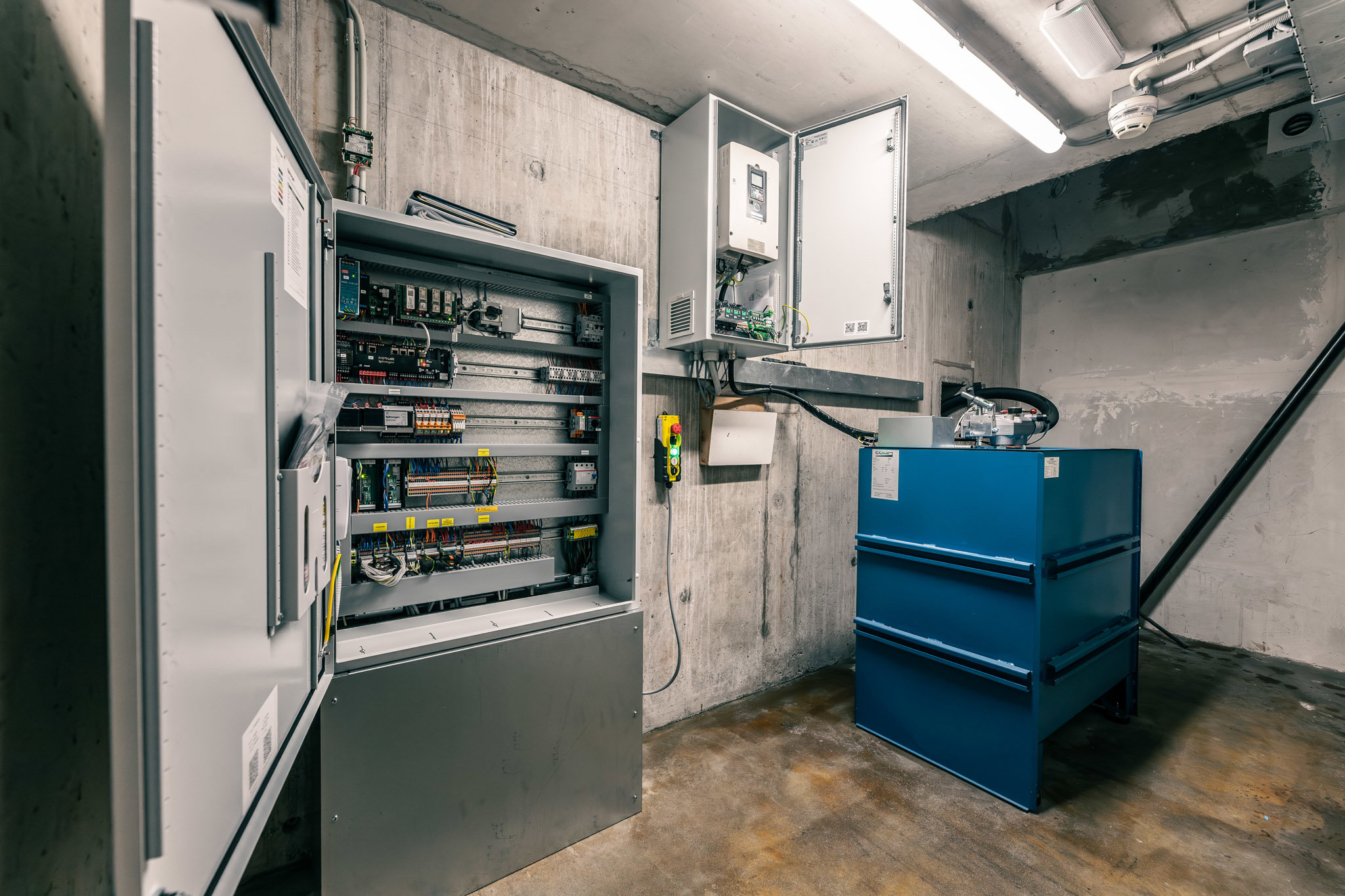
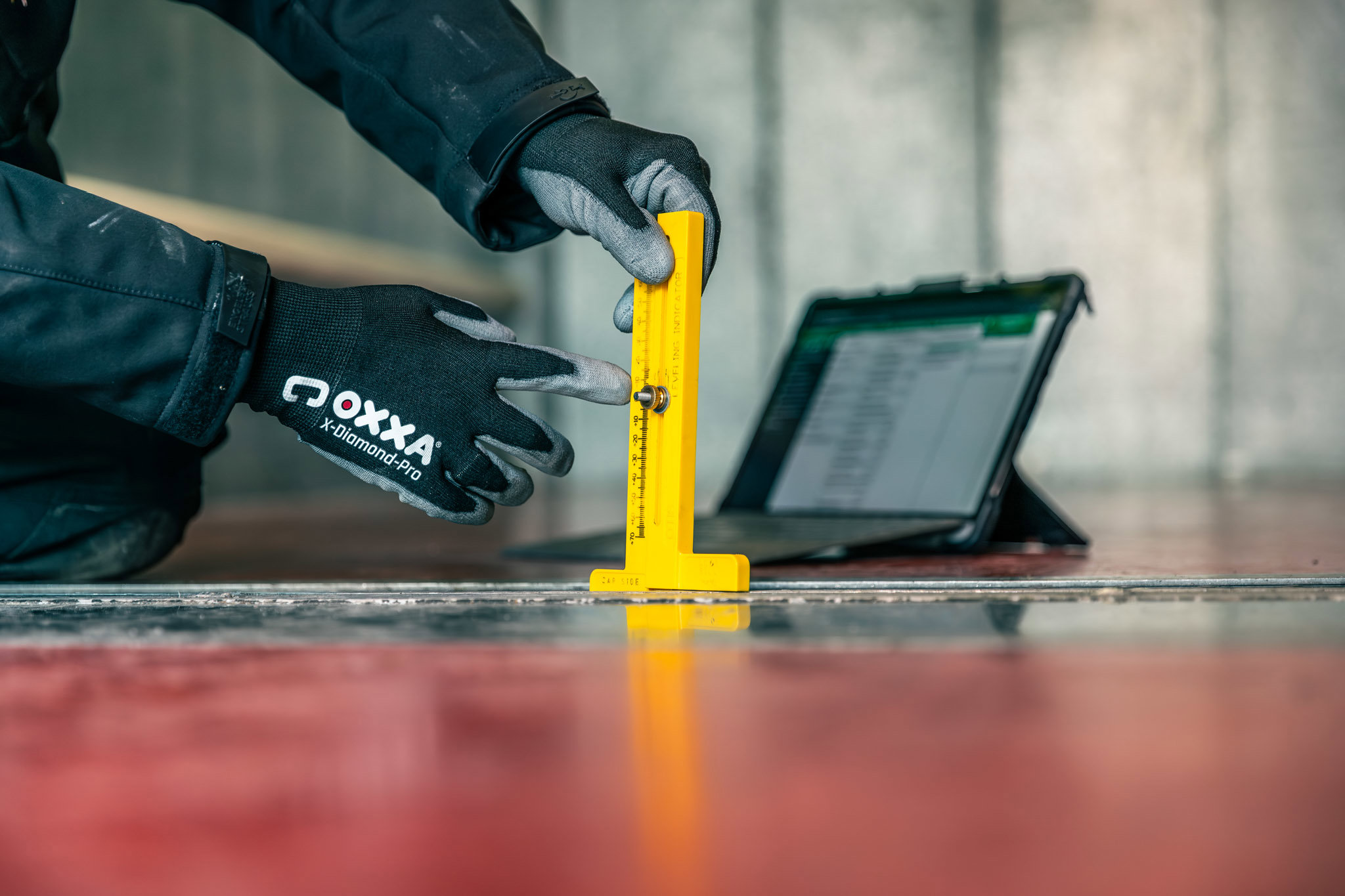
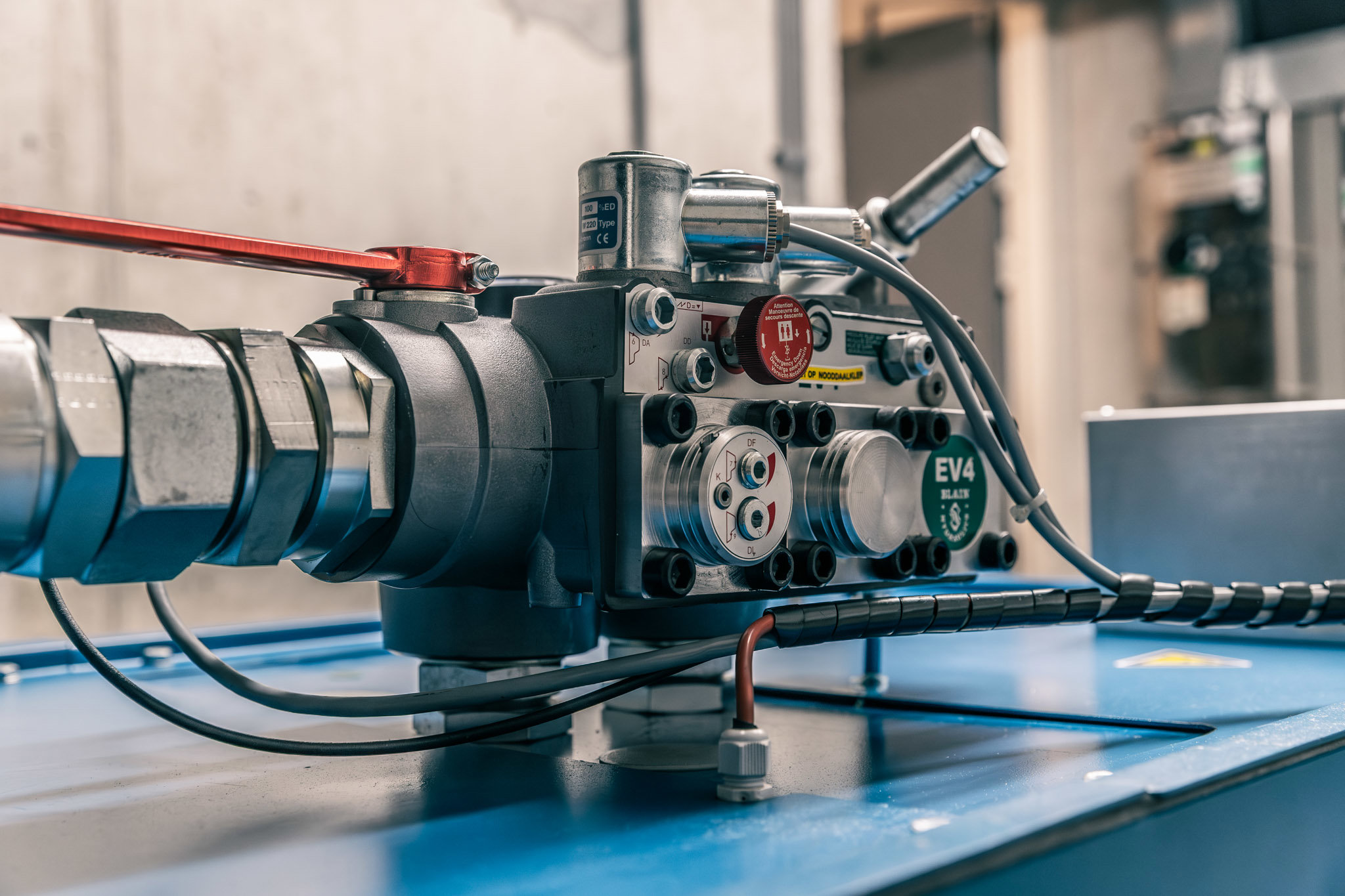
Lift modernization usually does not mean that the entire installation is replaced. Often it concerns specific components that have a major impact on performance, safety, and energy consumption, such as the control and electronics, the drive or frequency converter, and sometimes also doors and door drives. By renewing these parts, the elevator can operate more reliably, run more smoothly, and stop more accurately. In many modernization projects, energy upgrades are also carried out, for example LED lighting or standby functions that reduce energy consumption.

The benefits of modernization

An important advantage of modernization is that the work can often be carried out relatively quickly. In many cases, a modernization project can be completed within a few days to about a week, while a full replacement can take several weeks. Additionally, modernization usually has less impact on the building. This means fewer structural modifications, less inconvenience for users, and often lower costs. At the same time, modernization can contribute to lower energy costs and a more sustainable elevator installation.

When is replacement really the best option?

However, there are situations where complete replacement is the better choice. This is the case, for example, when:

  • The load capacity or desired lifting speed needs to change significantly
  • Additional floors need to be added
  • The existing situation does not provide enough space to make the lift compliant with accessibility requirements through modernization
  • The existing installation does not provide a sufficient technical or structural basis for future-proof modernization

In such cases, a new lift installation can ultimately be more efficient and future-proof.

Need advice?

The choice between modernizing and replacing is rarely black and white. That is why a good decision always starts with a technical analysis of the installation. The specialists at Fortadio are happy to help you assess the condition of your lift installation and advise on the best solution for your building.